Barbed Wire and Military History

Barbed wire was invented to manage livestock and mark property lines, but it didn’t stay a farm tool for long. Once militaries saw what it could do—stop movement, channel people into narrow paths, and buy defenders time—barbed wire became one of the most important “quiet” technologies of modern warfare. Not because it was glamorous, but because it was brutally practical.

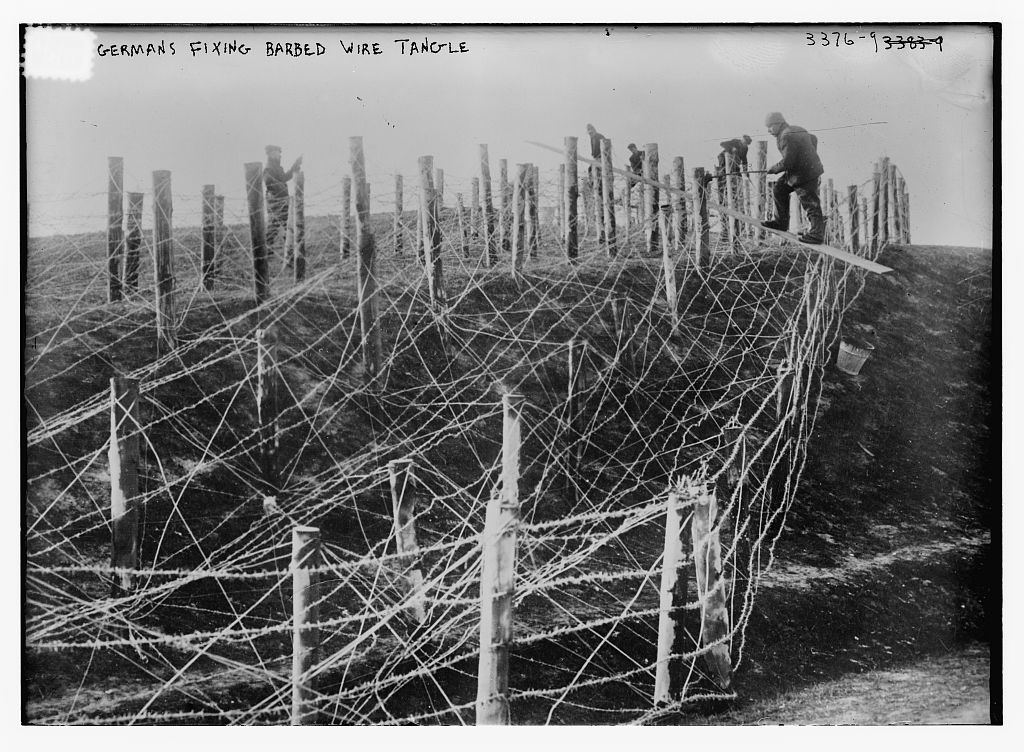
In military terms, wire is an obstacle. It doesn’t have to be impregnable. It only has to delay and disrupt long enough for defenders to respond. That’s why barbed wire shows up again and again: in colonial-era camps and fortified settlements, in the trenches of World War I, across World War II beach defenses, around Cold War bases, and in modern security perimeters. It’s a piece of infrastructure that turns open ground into controlled space—fast.

This post explores how barbed wire became a military tool, what it looked like in different eras, how soldiers dealt with it, and what collectors should know when they come across wire with wartime context.

Continue reading “Barbed Wire and Military History”

Patterns and Patents-More Than Just Twists and Spikes

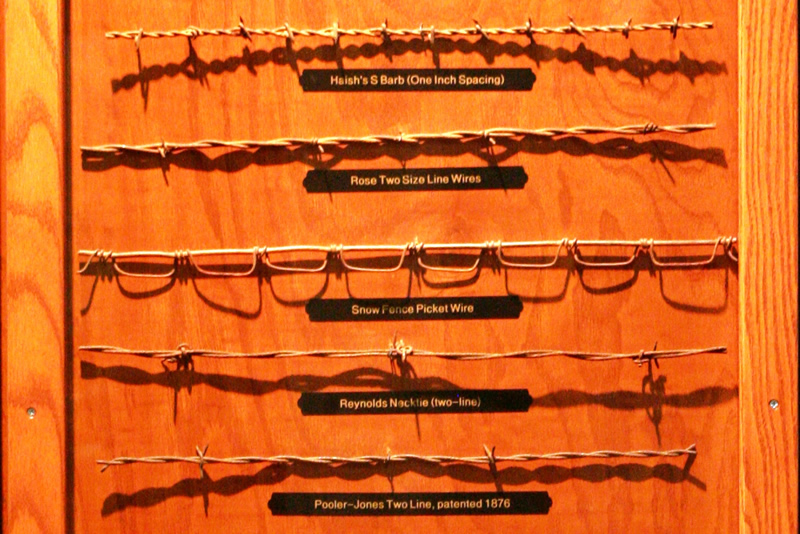
At first glance, barbed wire can look like one invention repeated endlessly: two strands of wire, a set of sharp points, and a long line meant to say “not past here.” But once you start looking closely—really closely—you realize why barbed wire became a collectible category all its own.

Barbed wire is a world of patterns: different barb shapes, different twists, different spacing, and different ways inventors tried to solve one stubborn problem—how to create a fence that was affordable, durable, and effective across huge stretches of land. In the late 1800s, that problem wasn’t theoretical. It was urgent. And it sparked a flood of creativity (and competition) that left behind thousands of identifiable variations.

This post is your collector-friendly guide to that hidden complexity: why there were so many patents, what makers were actually trying to improve, how patterns became “signatures,” and how modern collectors can start recognizing what they’re looking at without getting overwhelmed.

Continue reading “Patterns and Patents-More Than Just Twists and Spikes”

The Invention That Fenced the West

Barbed wire is one of those inventions that looks almost too simple to be world-changing—two strands of wire and a repeating line of sharp points. But that simplicity is exactly why it mattered. It was inexpensive, scalable, and brutally effective at turning open land into controlled space.

In the late 1800s, the American West was colliding with itself: ranching, farming, railroads, growing towns, and shifting ideas about ownership and boundaries. The problem was practical as much as political. Traditional fencing materials—especially wood—were scarce or expensive across huge stretches of prairie. If you wanted to keep livestock in (or out), you needed something that could be made in volume, shipped long distances, and installed quickly.

Barbed wire answered that need. And once it arrived, it didn’t just reshape property lines. It reshaped economies, ecosystems, and daily life—creating one of the most collectible “industrial artifacts” of the frontier era.

Continue reading “The Invention That Fenced the West”

From Utility to Art

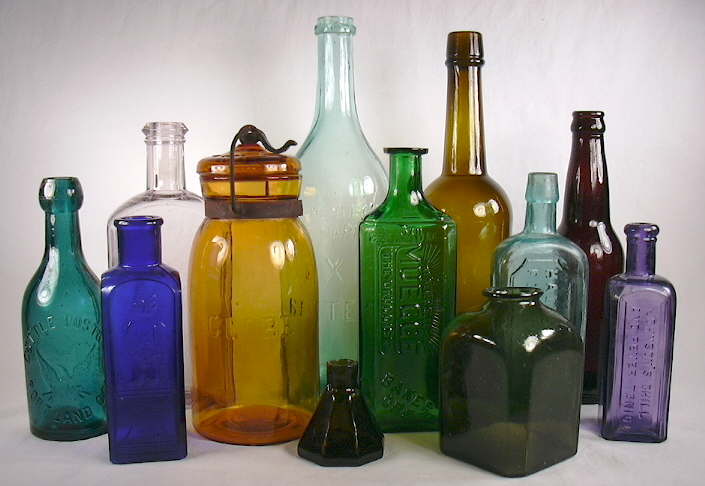
A bottle starts life with a simple job: hold something and keep it contained. But somewhere along the way—through color, shape, embossing, wear, and the stories attached to it—some bottles stop reading like “containers” and start reading like objects. They become décor, collectibles, and they become the kind of thing you display on purpose, even if you never plan to put a drop of anything inside.

That shift—from utility to art—is one of the most satisfying themes in bottle collecting. It’s also one of the reasons the hobby has such a wide tent. You can collect bottles as local history, manufacturing history, advertising history, or purely as design. And you can build a collection that’s as strict (one town, one decade, one closure type) or as visual (all cobalt, all embossed, all sculptural silhouettes) as you want.

This post is a collector-friendly look at how bottles became art in the eyes of makers and collectors—and how you can curate, display, and care for your own “glass gallery” with confidence.

Continue reading “From Utility to Art”

Modern Collecting Trends

Bottle collecting has a funny way of sneaking up on you. It starts with one “nice old bottle” on a shelf—maybe an amber medicine, a thick soda, a cobalt household bottle—and suddenly you’re noticing seams, finishes, embossing styles, and base wear everywhere you go. The hobby is part history, part design appreciation, and part treasure hunt.

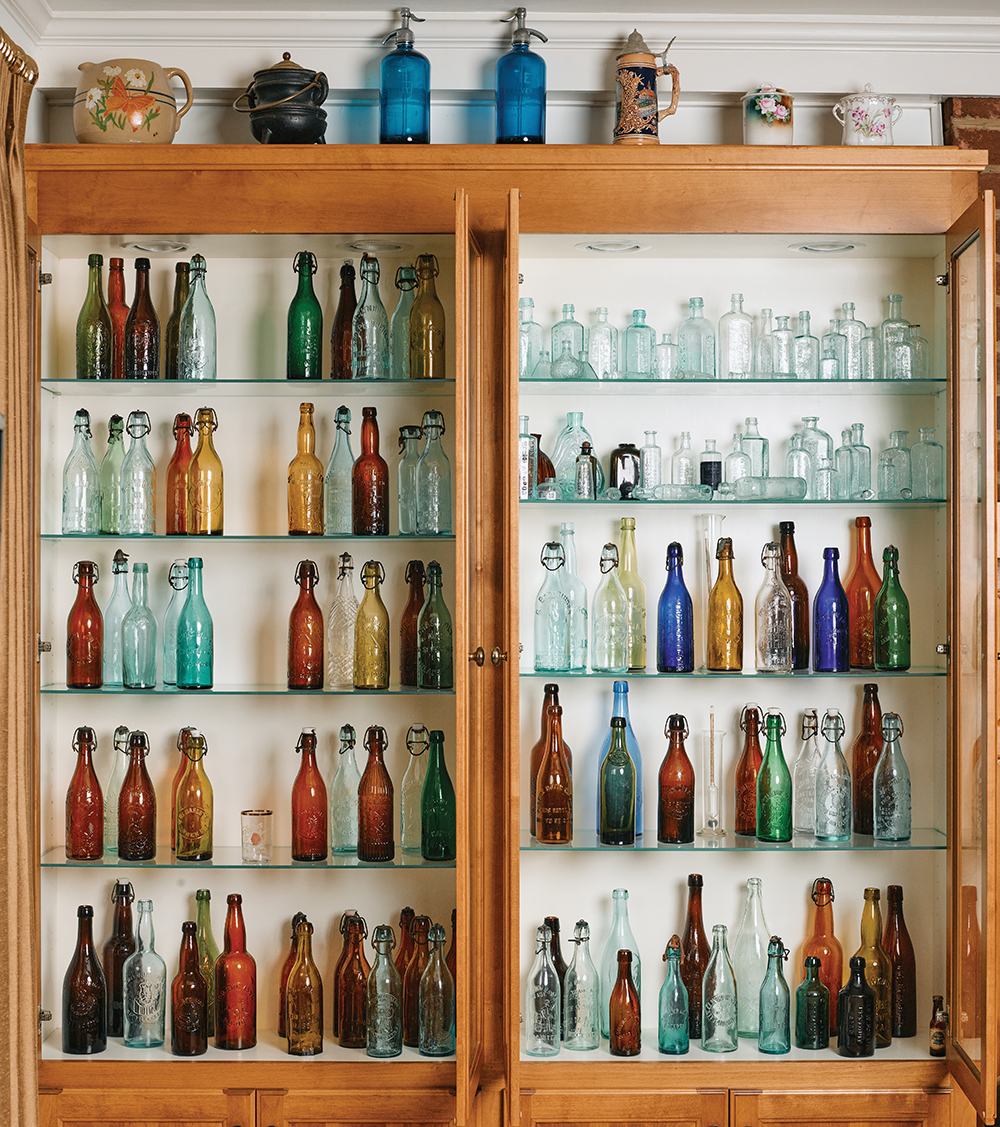
What’s changed in recent years isn’t the appeal. It’s the way collectors find, evaluate, and build collections. Online marketplaces made the hobby more accessible. Collector communities made identification faster. And modern decorating trends gave old glass a whole new stage—cabinets, bar carts, open shelving, and curated displays that treat bottles like sculptural objects.

This post is a collector-friendly snapshot of the modern bottle scene: what people are chasing, how buying habits have shifted, what matters most for value and satisfaction, and a few practical ways to collect smarter without getting swept up in hype.

Continue reading “Modern Collecting Trends”

Bitters and Medicine Bottles

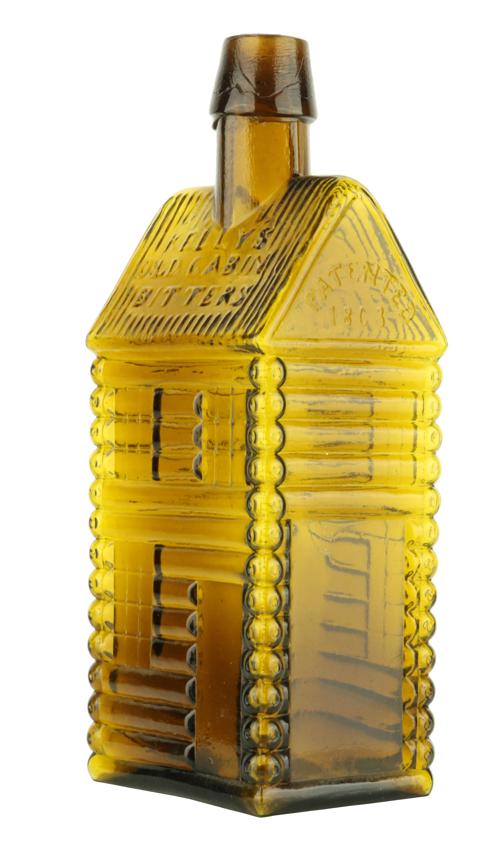
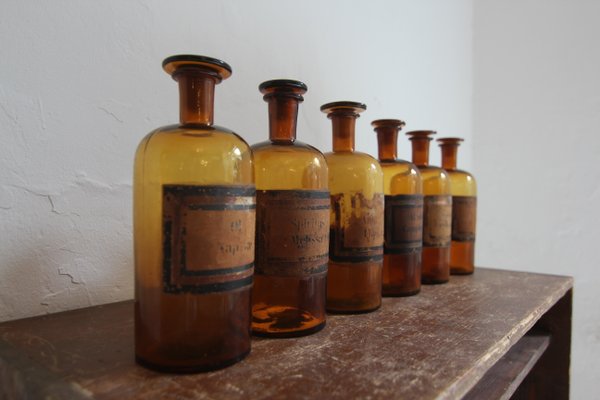
Bitters bottles and medicine bottles are two of the most satisfying corners of bottle collecting because they sit right where everyday life meets marketing, manufacturing, and changing ideas about health. These were bottles people handled constantly—kept in kitchen cupboards, tucked into bedside drawers, stored behind pharmacy counters, and carried in travel kits. Today, they’re still compelling for the same reasons: bold embossing, distinctive shapes, and a lot of clues you can read directly from the glass.

But “bitters” and “medicine” aren’t identical categories. Bitters often straddle the line between remedy and beverage—herb-infused tonics frequently sold for digestive complaints—while medicine bottles cover everything from pharmacy compounds to proprietary “cures,” many of them sold in standardized sizes with label panels designed for heavy advertising.

This post will help you sort the two categories, recognize the most common bottle types, understand why some shapes became famous, and collect them responsibly—especially when it comes to condition, residue, and safe handling.

Continue reading “Bitters and Medicine Bottles”

Canning and Household Bottles

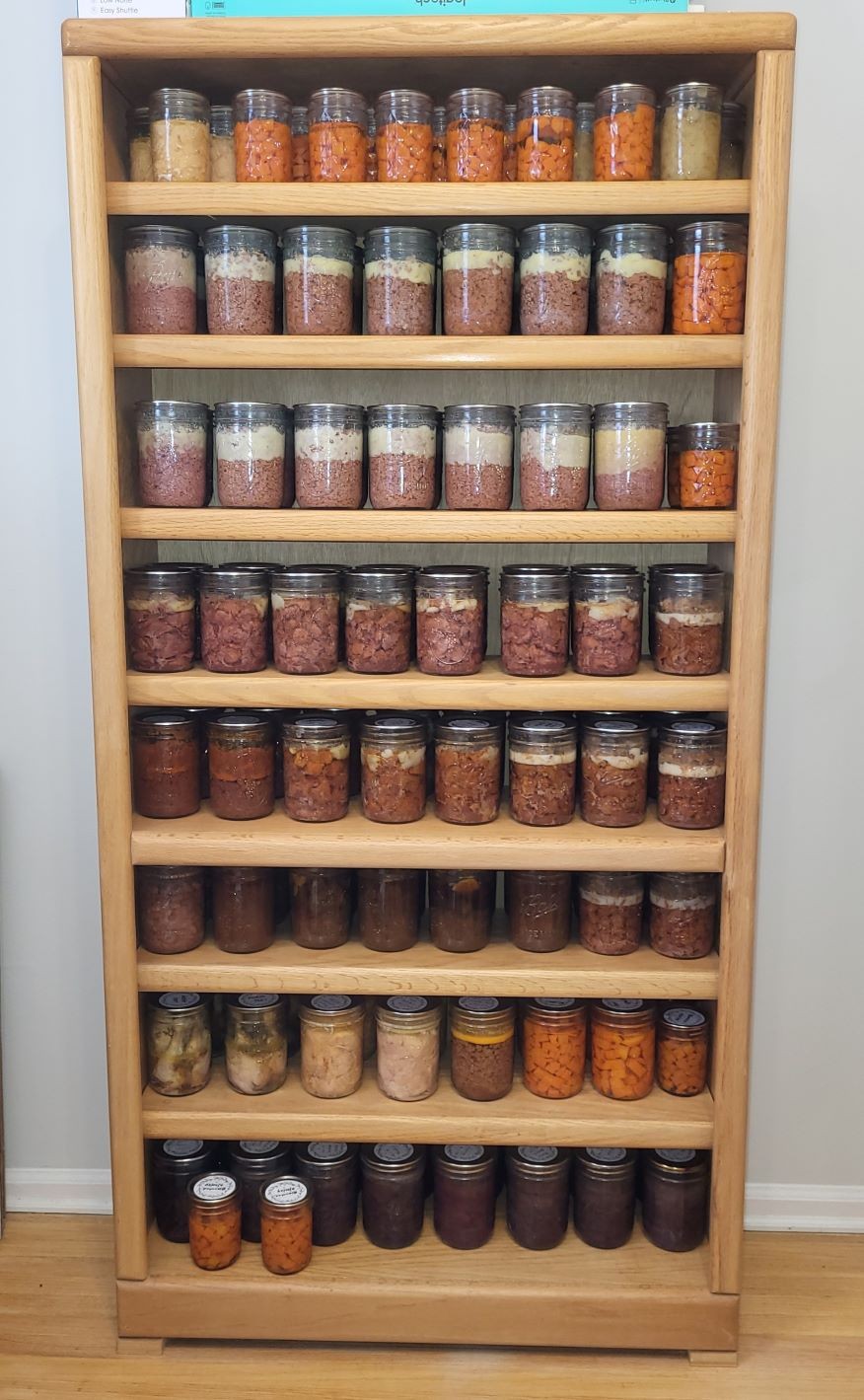
Open an old kitchen cupboard in your imagination and you can almost hear it: the clink of glass on wood, the soft scrape of a metal lid, the familiar shapes that once lived on every pantry shelf. Canning jars and household bottles aren’t just “containers.” They’re everyday tools that tell you how people cooked, cleaned, stored, and stretched resources—especially before modern packaging made everything uniform and disposable.

For collectors, this category is a sweet spot because it blends history with practicality. A single jar can show you changes in glassmaking, closures, branding, and even how homes were organized. And because these items were used hard, condition and authenticity cues are often right there in your hands—rim wear, seam lines, base marks, and the quirks that come from real-life use.

This post breaks down the core types of canning and household bottles, the closure systems collectors most often encounter, and how to evaluate, display, and care for these pieces responsibly.

Continue reading “Canning and Household Bottles”

From Apothecaries to Soda Fountains-Early Bottles

There’s a certain thrill to finding an early bottle in the wild—maybe a hand-finished medicine bottle with a soft, uneven lip, or a chunky old soda bottle built to survive pressure and rough handling. Even before you know exactly what it held, you can usually feel the era in the glass: the weight, the color, the seams (or lack of them), and the little manufacturing quirks that modern packaging has polished away.

Early bottles are where bottle collecting really becomes a detective hobby. They sit at the crossroads of everyday life and big change: the rise of neighborhood apothecaries, the boom of patent medicines, the growth of carbonated drinks, and the shift from handmade glass to industrial production. This post is your foundation for the early end of the hobby—what apothecary and early soda bottles are, why they look the way they do, and how to read the clues that help you date and describe them accurately.

Continue reading “From Apothecaries to Soda Fountains-Early Bottles”

Music on Demand Before Streaming

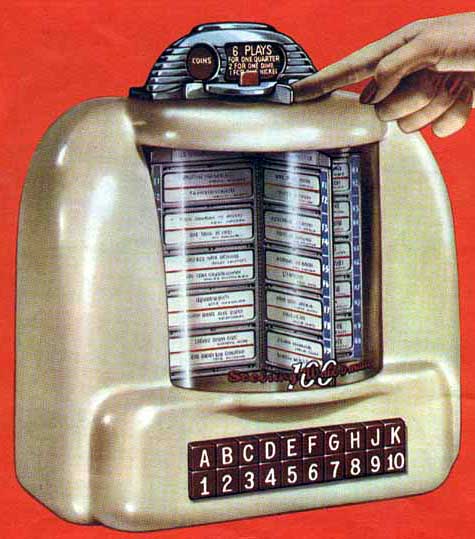
Today, “music on demand” is so normal we barely think about it. Tap a screen, hear a song. Skip, repeat, build a playlist, share it instantly. But long before streaming—or even the idea of carrying music with you—people were already shaping their days around the same desire: I want this song, right now.

That’s the real genius of the jukebox. It didn’t just play music. It let everyday people choose music in public spaces—one selection at a time. It turned a bar, diner, bowling alley, or roadside café into something like a shared playlist before anyone used that phrase. And it helped teach the world a habit we still have: paying small amounts for the exact song we want, exactly when we want it.

This post is a look at music on demand before streaming—how it worked, what it felt like, and why collectors still chase the machines and the paper trail that made the experience possible.

Continue reading “Music on Demand Before Streaming”

Restoration and Collecting Tips

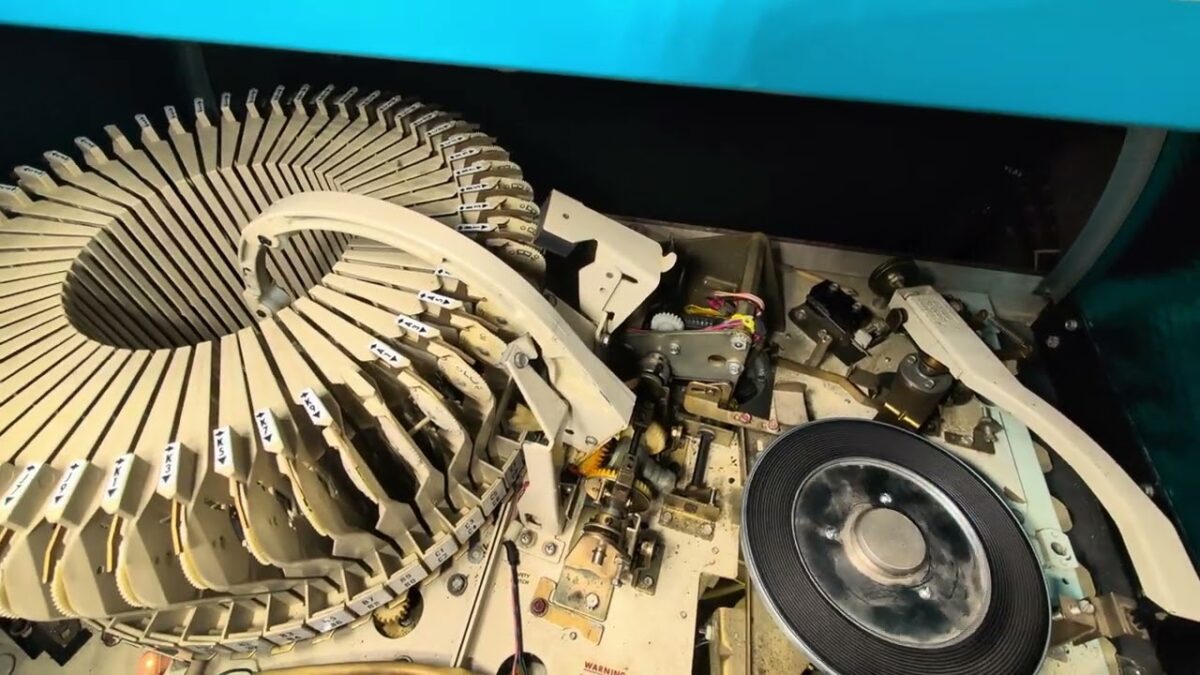
A vintage jukebox is one of the most rewarding collectibles you can bring home—because it isn’t just something you look at. It’s something you live with. The glow, the mechanical motion, the moment a selection kicks in and the room suddenly has a soundtrack. But jukeboxes are also one of the easiest categories to underestimate. They’re part furniture, part mechanical system, part electronics, and part “public life survivor.” Many spent decades in diners, bars, bowling alleys, and clubrooms—places that are hard on anything with moving parts.

The good news: you don’t need to be an engineer to collect jukeboxes well. You just need a smart approach. This guide focuses on practical, collector-friendly habits—how to buy wisely, how to plan a restoration without getting overwhelmed, and how to maintain a machine once it’s home so the fun doesn’t turn into frustration.

Continue reading “Restoration and Collecting Tips”

©2025 Dear June Collectibles. All Rights Reserved.

Oh hi there 👋
It’s nice to meet you.

Sign up to receive awesome content in your inbox, every Friday morning.

(If you register as a user, you can comment on posts AND subscribe to the newsletter...two birds one stone)

We don’t spam! Read our Privacy Policy for more info.