Golden Age (1940s-1950s)-Wurlitzer, Seeburg, Rock-Ola

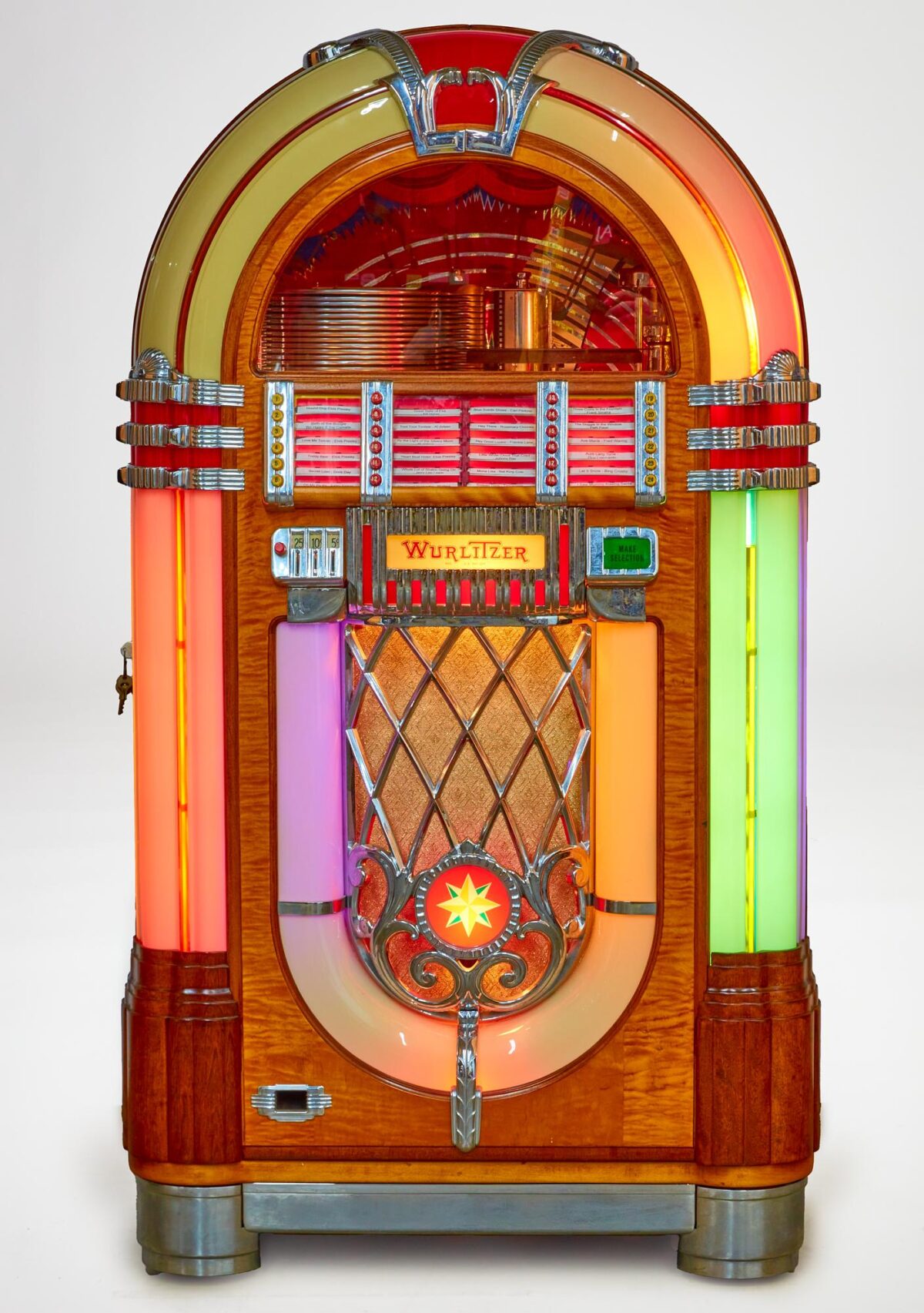
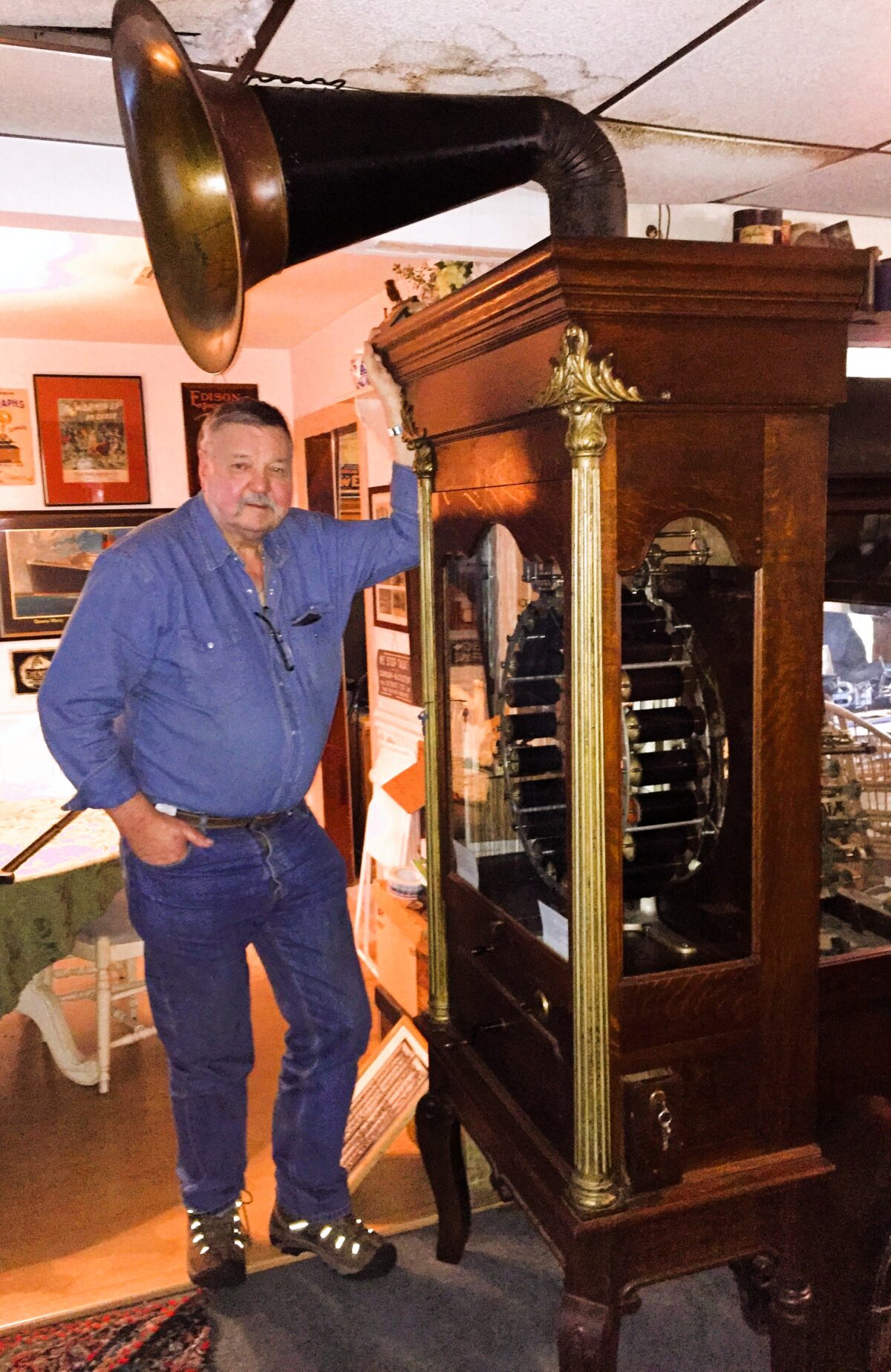
If the early jukebox was a clever invention, the 1940s and 1950s are when it became an icon. This is the era most people picture when they hear the word jukebox: glowing plastics, chrome trim, colorful motion, and a cabinet designed to be seen from across a diner or dance floor. Drop in a coin, pick a song, and suddenly the whole room has a soundtrack.

For collectors, this “Golden Age” is irresistible because it sits at a perfect crossroads: the machines are old enough to feel historic, common enough to be findable, and visually bold enough to double as furniture-level décor. Even better, this period is where the big brand names—Wurlitzer, Seeburg, and Rock-Ola—built many of the designs that still define the category today.

Let’s walk through what made the Golden Age golden, what each maker is known for, and what collectors should look for when buying one of these mid-century music machines.

Continue reading “Golden Age (1940s-1950s)-Wurlitzer, Seeburg, Rock-Ola”
The Birth of the Jukebox-From Nickelodeons to Swing Eras

Before playlists, before radio countdowns, before anyone carried thousands of songs in a pocket, there was a different kind of music-on-demand magic: you dropped in a coin, made a choice (or took what was available), and a machine brought the music to life. That simple experience—pay a little, hear a song right now—changed how people socialized, how records were promoted, and how everyday spaces like cafés and corner bars sounded.

Collectors love early jukebox history because it’s not just about one machine. It’s about a chain of inventions and habits: coin-operated phonographs, “phonograph parlors,” the entertainment boom that surrounded nickelodeons, and the moment the jukebox became a cultural engine in the Swing Era. If you’re drawn to the romance of vintage technology and the idea of music as a public event, this is the origin story you want on your shelf.

Continue reading “The Birth of the Jukebox-From Nickelodeons to Swing Eras”

Wrap-Up-Weaving Stories From Thread

Lace collecting is one of those hobbies that starts quietly. You find a delicate collar in a linen box. A curtain panel that turns sunlight into pattern. A trim still attached to an old garment that makes you wonder who wore it and where they were going. And then you realize lace isn’t just “pretty.” Lace is information—about skill, technology, fashion, class, home life, and what people thought beauty should look like in everyday spaces.

Over this lace series we explored the big pillars: handmade traditions (bobbin and needle lace), machine-made lace and what it changed, lace’s role in fashion and home décor, and how to preserve antique lace so it survives another generation. This wrap-up is your collector’s roadmap: a clear way to start (or refine) a lace collection, shop smarter, display better, and keep your pieces safe while still enjoying them.

Continue reading “Wrap-Up-Weaving Stories From Thread”

Preserving and Displaying Antique Lace

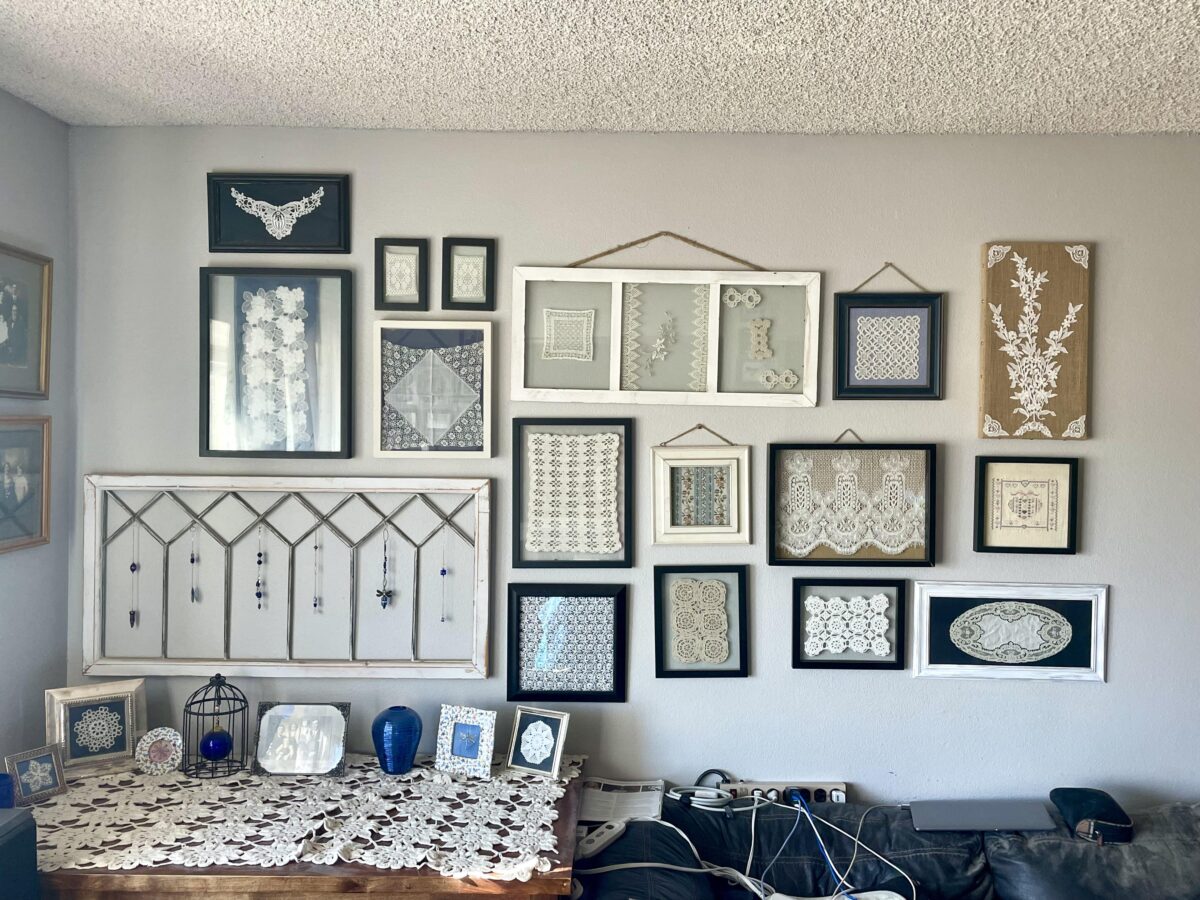
Antique lace is one of the most beautiful “survivor textiles” you can collect. It was meant to be worn, washed, folded, tucked into drawers, stitched onto garments, and used in the everyday life of a home. The fact that any piece made it to your hands—still patterned, still airy, still delicate—is part of what makes it so special.

But lace is also honest. It shows age quickly: a pulled thread here, a brittle fold line there, a faint yellowing from storage. The good news is that preserving lace doesn’t require turning your home into a museum. With a few smart habits—gentle handling, stable storage, and display that avoids the big hazards—you can keep antique lace safe while still enjoying it.

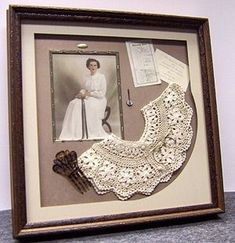
This guide will walk you through practical preservation and display tips that work for collectors, whether you’re storing lace trims in an archival box or framing a stunning border as textile art.

Continue reading “Preserving and Displaying Antique Lace”

Lace in Fashion and Home Décor

Lace has always been a little bit of magic in textile form. It can soften a hard line, add lightness to a heavy fabric, or turn something plain into something memorable with just a few inches of pattern. That’s why lace shows up everywhere collectors love to look: on clothing details that signal an era, and on home textiles that tell you how people wanted a room to feel—welcoming, refined, romantic, or simply “finished.”

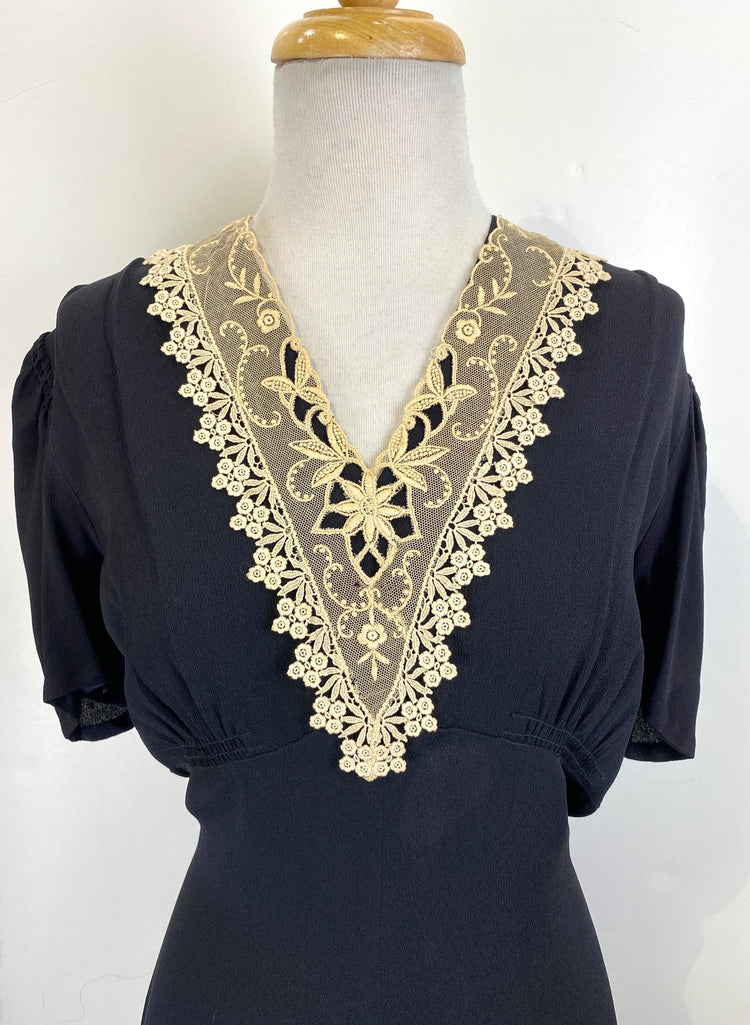
In fashion, lace has been used to frame faces, highlight cuffs, edge hems, and add drama without bulk. In home décor, it has shaped light through windows, protected furniture, dressed tables, and made ordinary bedrooms feel special. If you collect vintage clothing, linens, or textile fragments, understanding how lace was used (and why) makes shopping smarter—and makes your finds more meaningful.

Continue reading “Lace in Fashion and Home Décor”

Machine-Made Lace-Democratizing Elegance

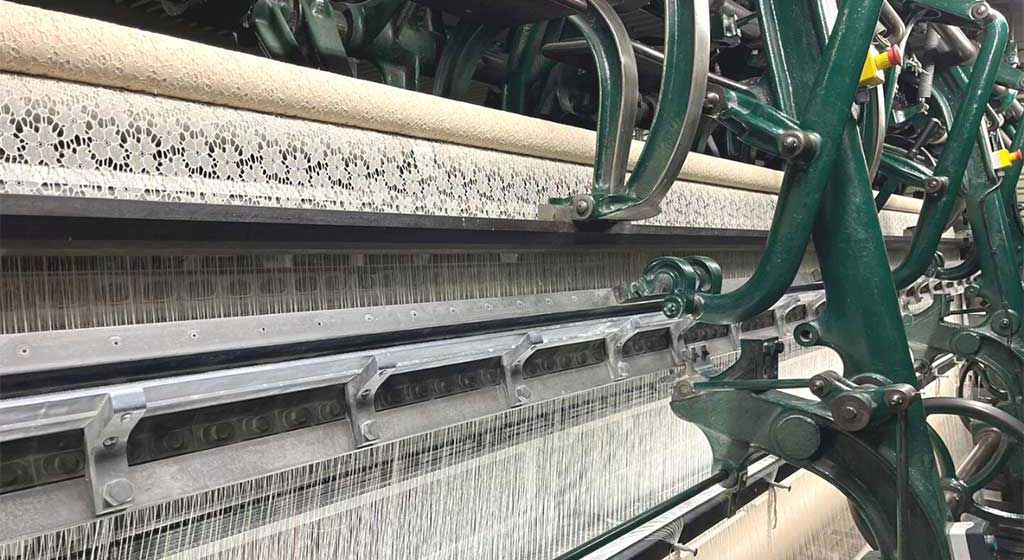
Handmade lace has a certain hush to it—the sense that someone sat with thread and time and turned patience into pattern. But lace history isn’t only a story of handwork. It’s also a story of innovation: machines designed to imitate (and later reinterpret) those same crossings, loops, and outlines so lace could be made faster, cheaper, and in quantities that changed what ordinary people could wear and decorate with.

That’s the big shift machine-made lace represents. It didn’t erase handmade lace; it widened the world of lace. Suddenly, lace wasn’t only for the wealthy, the ceremonial, or the rare heirloom garment. It could show up on everyday collars, curtains, underthings, pillowcases, handkerchief edges, and Sunday-best blouses. For collectors, machine-made lace is both approachable and surprisingly rich: it spans fashion history, industrial history, and changing ideas about beauty and “good taste” at home.

Let’s break down what machine-made lace is, the major types you’ll encounter, and how to collect it confidently.

Continue reading “Machine-Made Lace-Democratizing Elegance”

Handmade Lace Traditions-Bobbin and Needle Lace

Lace has a reputation for being delicate, fancy, and a little mysterious—like it floated into the world fully formed on the collar of a royal portrait. But lace is, at its heart, a triumph of patient hands. Threads crossed, looped, pinned, and stitched into patterns so airy they almost disappear… until the light hits them just right.

For collectors, handmade lace is especially rewarding because it’s both art and evidence. It shows what people wore, how they decorated their homes, what skills were valued, and how fashion traveled across borders. Two major handmade traditions sit at the center of that story: bobbin lace and needle lace. They can look similar at a glance, but they’re built in very different ways—and once you know what to look for, antique lace becomes much easier (and more fun) to collect.

Continue reading “Handmade Lace Traditions-Bobbin and Needle Lace”

Porcelain Perfection

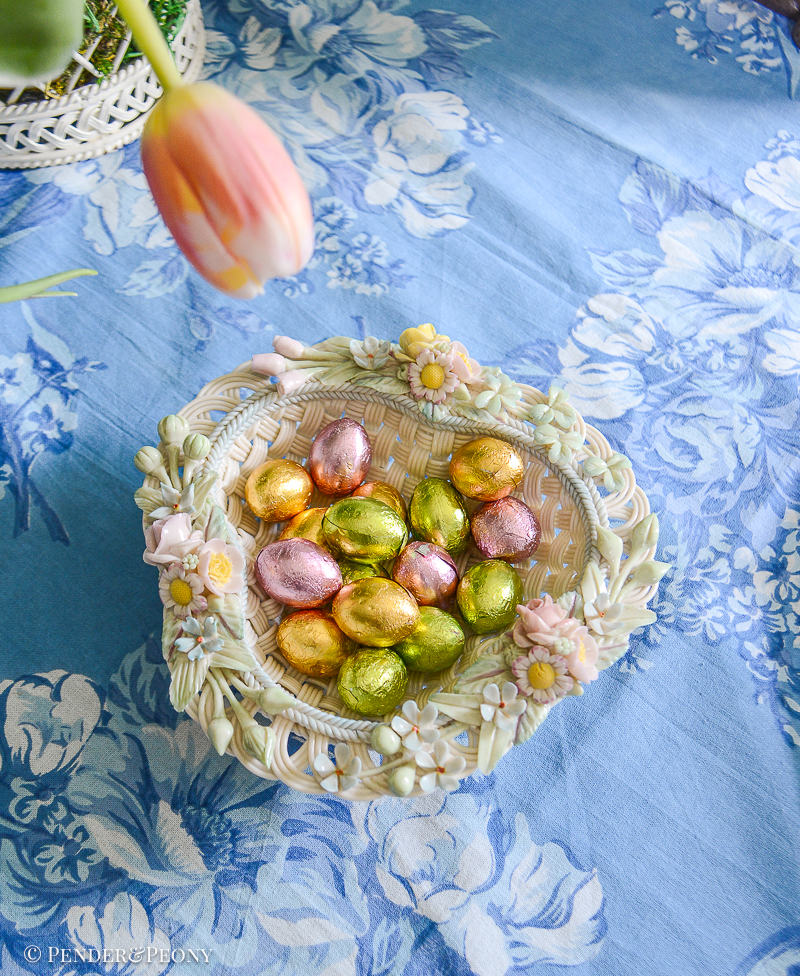
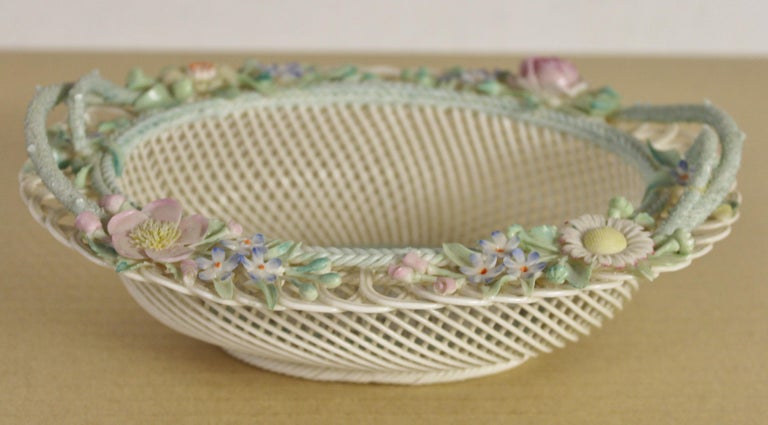
Belleek has a way of making ordinary moments feel a little more graceful. A cup that looks almost weightless in your hand. A basket rim so finely pierced you can see daylight through it. A soft, luminous white that doesn’t shout for attention—yet somehow becomes the first thing you notice.

Collectors talk about Belleek as “delicate,” but the deeper truth is that the best Belleek feels perfected: the porcelain body, the crispness of detail, the balance of form, and the finishing touches all working together. This post is about that idea of porcelain perfection—what it looks like in real pieces, how to evaluate it quickly, and how to care for it so it stays beautiful for the next generation of collectors.

Continue reading “Porcelain Perfection”

Belleek Beyond Ireland

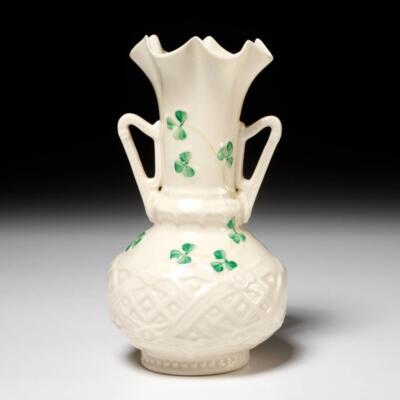
Belleek feels deeply Irish—shamrocks, harp handles, shell textures, and that unmistakable luminous white. And yet, one of the most fascinating things about collecting Belleek is how often you find it far from Ireland. A Belleek basket on a New Jersey sideboard. A shell-pattern cup tucked into a Canadian china cabinet. A shamrock vase sitting in an Australian estate lot like it’s always belonged there.

That global footprint isn’t an accident. From the start, Belleek was more than a local pottery. It was a brand of fine ware with international ambitions—made in a small village, but designed to travel. This post is about that journey: how Belleek spread beyond Ireland, how “Belleek” became a look that other makers imitated, and how collectors can shop smart when the name shows up in unexpected places.

Continue reading “Belleek Beyond Ireland”

Collecting Belleek-Rare Vs Common Pieces

Belleek has a funny way of doing this to collectors: you start with “just one little shamrock dish,” and suddenly you’re turning pieces over in antique booths like a professional—checking marks, scanning rims for tiny chips, and squinting at basket strands to see if they’ve been repaired. It’s not because Belleek is intimidating. It’s because Belleek is rewarding. The more you learn, the more you can tell—and the more confident you become separating truly scarce pieces from the ones that are simply popular.

So what actually makes Belleek “rare”? Is it age? A backstamp? A specific pattern? A basket with flowers? The answer is: sometimes all of the above—and sometimes none of them. In this post, we’ll break down a collector-friendly way to think about rarity versus commonality, so you can buy smarter, avoid “rare!” hype, and build a collection that feels intentional at any budget.

Continue reading “Collecting Belleek-Rare Vs Common Pieces”

©2025 Dear June Collectibles. All Rights Reserved.

Oh hi there 👋
It’s nice to meet you.

Sign up to receive awesome content in your inbox, every Friday morning.

(If you register as a user, you can comment on posts AND subscribe to the newsletter...two birds one stone)

We don’t spam! Read our Privacy Policy for more info.